Introduction
Miso-glazed roasted salmon is a delightful dish that brings together the rich umami flavors of miso with the delicate taste of fish. When you bake salmon with a miso glaze, the result is a tender, succulent fillet that explodes with flavor and is beautifully caramelized on the surface. This dish is not just a treat for the palate, but the vibrant colors make it visually appealing as well.
Whether you're preparing a weeknight dinner or entertaining friends, this recipe offers simplicity without sacrificing taste. It showcases how accessible gourmet dining can be right in your kitchen. In this article, we'll explore the key ingredients that elevate this dish while providing you with clear steps to ensure a successful outcome.
Ingredients
- 4 salmon fillets (6 oz each)
Salmon is rich in omega-3 fatty acids, which are beneficial for heart health. Choosing fresh, high-quality salmon ensures a tender, flaky texture that pairs beautifully with the miso glaze. - 3 tablespoons white miso paste
White miso paste adds a subtle sweetness and complex flavor depth to the glaze. It's milder and less salty compared to darker miso varieties, making it perfect for a delicate fish like salmon. - 2 tablespoons honey
Honey balances the savory notes of miso with its natural sweetness. It helps create a beautiful caramelization on the salmon when roasted, enhancing the dish’s flavor profile. - 1 tablespoon soy sauce
Soy sauce introduces a savory, saltiness that complements the miso's umami flavor, rounding out the glaze's taste. - 1 tablespoon sesame oil
Sesame oil adds a fragrant, nutty element to the dish. It can also help with browning during roasting and contributes to the overall flavor complexity. - 1 tablespoon rice vinegar
Rice vinegar gives the glaze a touch of acidity, which lifts the flavors and balances the richness of the salmon. - 1 teaspoon grated ginger
Fresh ginger adds a warming spice that enhances the overall flavor profile of the glaze without overpowering the primary ingredients. - 2 cups seasonal vegetables (broccoli, bell peppers, etc.)
Seasonal vegetables not only provide necessary nutrients but also enhance the dish's visual appeal and texture. Roasting them alongside the salmon allows them to absorb some of the glaze’s flavors. - Salt and pepper to taste
While the glaze is flavorful, a touch of salt and freshly cracked black pepper enhances all the ingredients, ensuring a well-seasoned dish.
Directions & Preparation
Step 1: Preheat your oven to 400°F (200°C).
Preheating the oven is crucial for even cooking. It ensures that the salmon cooks quickly, maintaining its moisture while allowing the glaze to caramelize beautifully on the outside. This temperature is ideal to give the fish a tender center and a slightly crispy exterior.
Step 2: Prepare the miso glaze by whisking together miso paste, honey, soy sauce, sesame oil, rice vinegar, and grated ginger in a bowl.
Whisking the glaze ingredients combines the flavors into a cohesive sauce. The sweetness from honey balances the umami of the miso, while the soy sauce and sesame oil add depth and character. Make sure to taste the glaze and adjust the sweetness or saltiness to your preference.
Step 3: Place the salmon fillets on a baking sheet lined with parchment paper.
Using parchment paper prevents sticking and makes cleanup easy. Place the salmon fillets skin-side down for the best texture. Make sure they are spaced slightly apart to promote even cooking and air circulation.
Step 4: Brush the miso glaze generously over the top of each fillet.
Brushing the glaze on the salmon allows it to adhere well and creates a beautiful layer that will caramelize as it cooks. Make sure each fillet is coated evenly to maximize flavor and appearance.
Step 5: Prepare your seasonal vegetables by cutting them into uniform pieces and tossing them in olive oil, salt, and pepper.
Cutting the vegetables uniformly ensures they cook evenly and at the same rate. Tossing them in oil and seasoning enhances their natural flavors and allows them to develop color and tenderness in the oven.
Step 6: Arrange the seasoned vegetables around the salmon on the baking sheet.
Arranging the vegetables around the salmon allows them to roast simultaneously, absorbing flavors from the glaze while providing a beautiful presentation. This also creates a complete meal on a single sheet, simplifying your cooking process.
Step 7: Bake for 12-15 minutes, or until the salmon flakes easily with a fork and the vegetables are tender.
Baking at this temperature cooks the salmon quickly, keeping it moist. The key is to watch for flakiness; overcooked salmon becomes dry. The vegetables should be tender and slightly caramelized, lending their flavors to the dish.
Step 8: Remove from the oven and let rest for a few minutes before serving.
Letting the salmon rest allows the juices to redistribute within the fillet, ensuring it remains moist and flavorful. This brief resting time also helps ease the transition to serving, allowing you to arrange everything beautifully on the plate.

Exploring Miso: A Culinary Staple
Miso, a traditional Japanese ingredient, is made from fermented soybeans and has been used for centuries in various dishes. It offers a complex flavor profile that cannot be replicated with other seasonings. Its versatility allows it to enhance soups, marinades, and glazes, making it an essential addition to any home cook's pantry. The right miso can truly transform a dish.
Choosing the Right Salmon
When selecting salmon for this recipe, consider the variety and source. Wild-caught salmon tends to be richer and more flavorful than farmed varieties. Look for bright, firm fillets with a fresh smell. The texture should be moist but not slimy. Sustainable practices also ensure that you're making an environmentally conscious choice, so check for certifications when available.
Pairing Seasonal Vegetables with Salmon
Seasonal vegetables elevate the dish both nutritionally and visually. Broccoli, bell peppers, and carrots lend their natural sweetness and vibrant colors, providing a contrast to the rich salmon. Roasting allows them to develop caramelization, enhancing their flavor. Using a mix of colors and textures not only delights the taste buds but also makes the meal more appealing to the eye.
FAQs
What can I do if my miso glaze is too thick?
If your glaze is too thick, you can thin it out by adding a little warm water or more rice vinegar. Mix thoroughly until you reach your desired consistency.
How can I tell if my salmon is perfectly cooked?
Salmon is done when it flakes easily with a fork and has an internal temperature of 145°F (63°C). If it appears opaque and has a moist texture, it's ready to be served.
What if my vegetables are overcooked?
If your vegetables become overcooked, they may become mushy. To avoid this, check for doneness a few minutes earlier and remove them from the oven as soon as they are tender yet still vibrant in color.
Can I use a different type of fish for this recipe?
Yes, you can substitute salmon with other firm fish like trout or arctic char, which can also complement the miso glaze beautifully. Just be mindful of cooking times, as they might vary.
What vegetables pair well with miso-glazed salmon?
Vegetables like asparagus, snap peas, and zucchini also pair well with the glaze. They can be roasted alongside the salmon for a harmonious flavor experience.
How do I adjust the sweetness of the miso glaze?
To adjust the sweetness, simply add more honey for a sweeter taste, or reduce the amount if you prefer a less sweet glaze. Always taste as you adjust to find the right balance.
Conclusion
Miso-glazed roasted salmon is a dish that embodies the essence of simple yet delicious home cooking. With just a few high-quality ingredients, you can create a meal that impresses both in taste and presentation. The combination of Earth’s flavors in the glaze and fresh seasonal vegetables makes every bite a celebration of culinary artistry.
Encouraging home cooks to explore unfamiliar ingredients like miso can open doors to new flavor horizons. Whether you're an experienced chef or a novice in the kitchen, this recipe is a perfect opportunity to experiment, enjoy, and share the fruits of your labor with loved ones.
Recipe Card
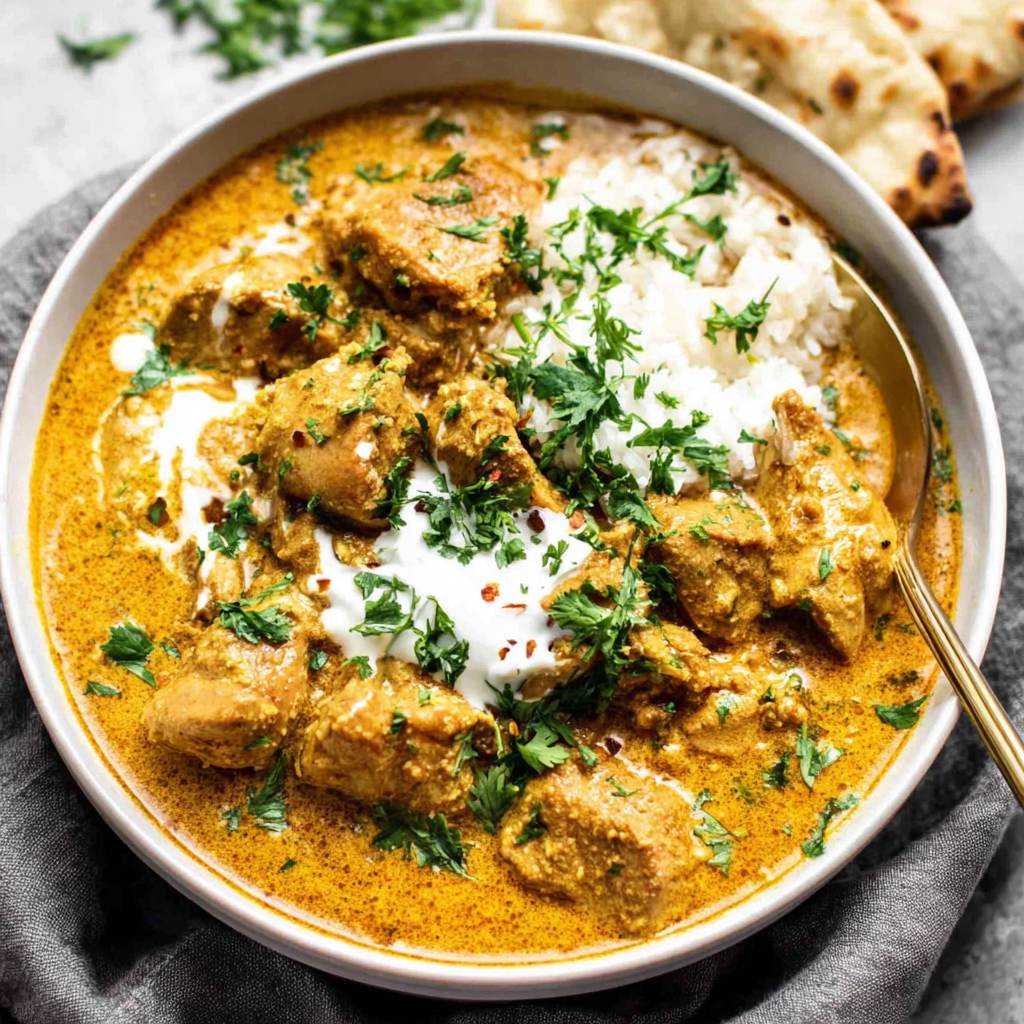
Flavorful Slow Cooker Chicken Korma Recipe
Ingredients
Method
- Combine the vegetables in the slow cooker.
- Add the chicken thighs to the slow cooker.
- Mix in the korma curry paste and broth.
- Add coconut milk and seasonings.
- Set the slow cooker and let it cook.
- Add garam masala before serving.
- Garnish and serve.
Notes
Additional serving suggestions: pair with a crisp salad, garlic bread, or roasted seasonal vegetables for balance.
For make-ahead, prep components separately and assemble just before heating to preserve texture.
Taste and adjust with acid (lemon/vinegar) and salt right at the end to wake up flavors.